GOOOLLL
Articles
← All articles
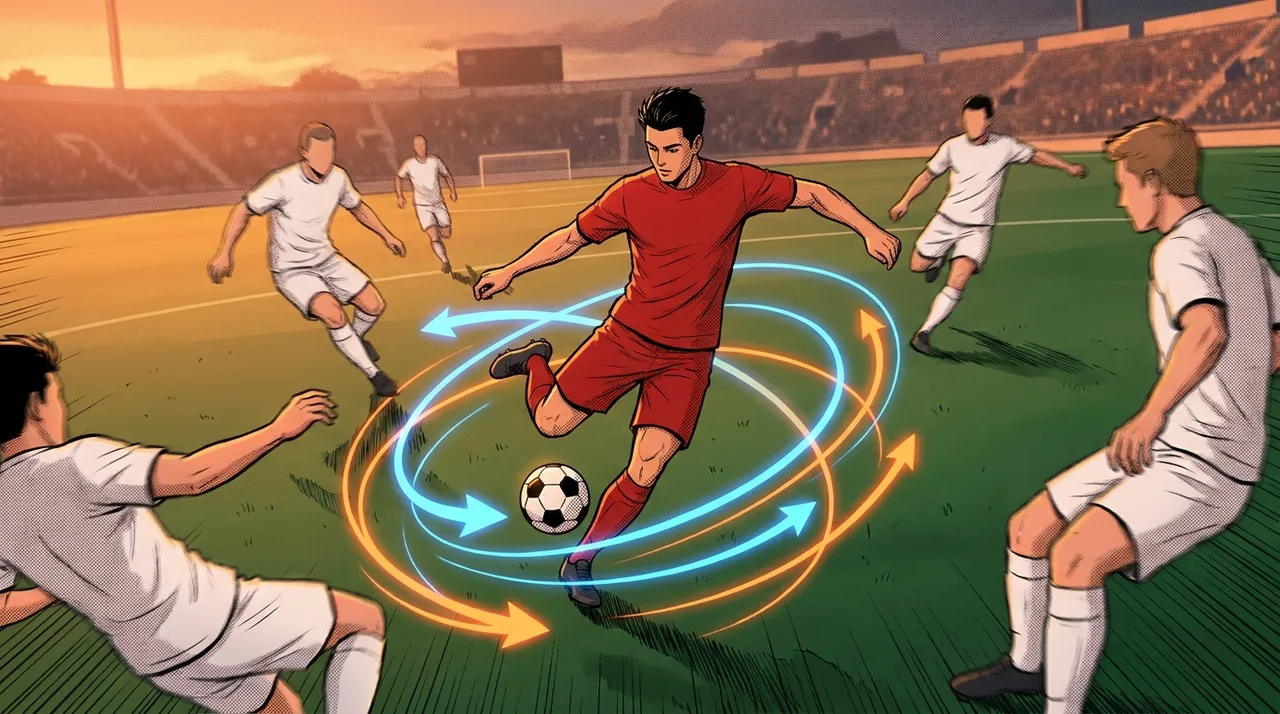
The Death of the Double Pivot: How Spain's Positional Fluidity Broke Austria's Shape
July 3, 2026
Gooolll Desk
Austria came into this knowing exactly what Spain wanted to do. They'd watched the tape. They had two pivots anchoring the midfield, numbers behind the ball, a clear plan. It didn't matter. By the time the third goal went in on July 3rd, their shape hadn't been broken so much as quietly made irrelevant.
This is what Spain under pressure looks like now. Mikel Oyarzabal already sitting on four goals in Group H, seven points at the top of the table, a squad that doesn't need to raise its voice to make a statement. The 3-0 scoreline was emphatic. The method was something else entirely — patient, geometric, almost bloodless.
Spain weren't attacking Austria's double pivot. They were going around it.
The mechanism is worth understanding because it's becoming the dominant language of elite football in this tournament. Invert the full-backs into the half-spaces, get them on the half-turn with time on the ball, and suddenly the traditional two-pivot structure — that vertical anchor designed to screen the backline and control central territory — has a problem it wasn't built to solve. A defensive midfield pairing can drop or press. What it cannot do is cover the base *and* react to threats emerging diagonally from wide-central positions simultaneously. Austria's pivots were chasing shadows in zones they were never designed to police.
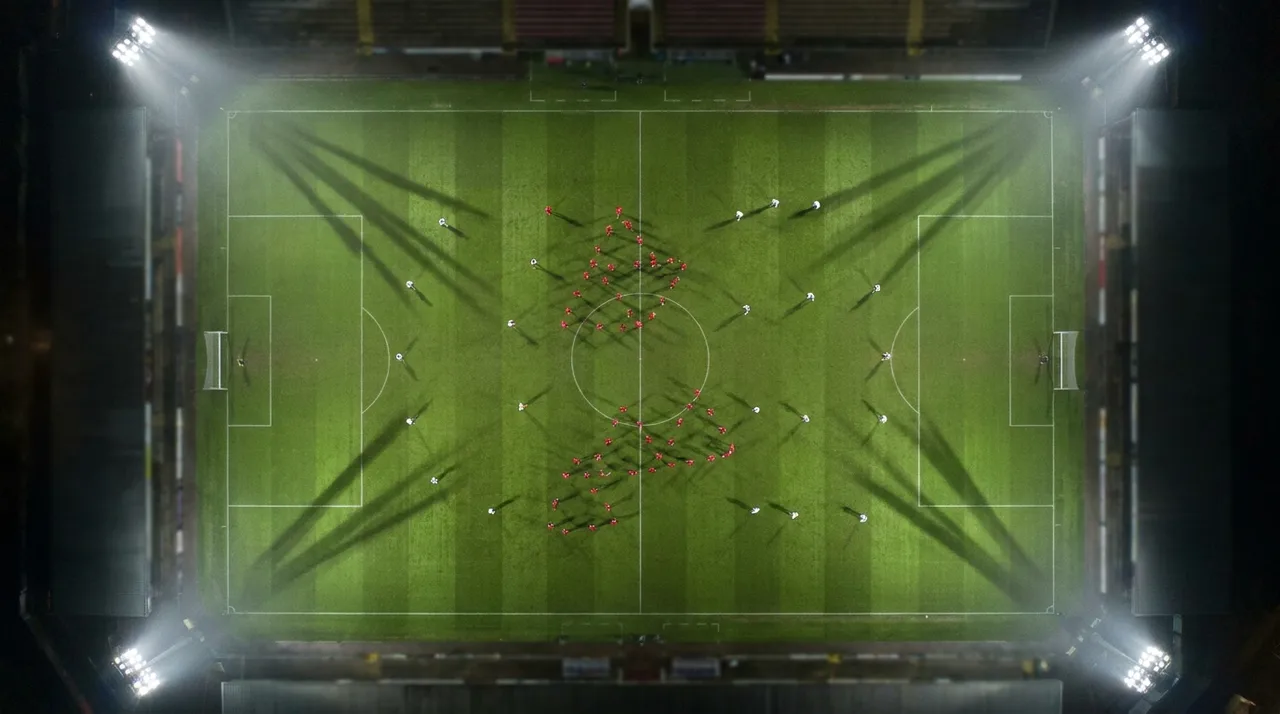
The cruel part is that Austria weren't disorganised. They sat seventh in the group on three points from three games, which tells its own story, but they defended with structure. Their shape collapsed not through individual errors or physical mismatches — it collapsed because the geometry of the game shifted underneath them and they had no answer for it.
Spain's full-backs didn't announce themselves. There was no obvious moment where Austria could point and say *there*, *that's the problem, adjust*. The overloads appeared organically out of possession sequences, arriving just as Austria's defensive line committed. To stop it, you either press relentlessly — which Spain's possession profile is specifically designed to punish — or you deploy a midfield capable of both shielding and roaming at the same time. Austria had neither tool available.
The broader picture this tournament is becoming hard to ignore. Spain treat their full-backs as functional midfielders and the old 4-2-3-1 blueprint simply has no structural answer to it. The question the double pivot can't answer anymore: if your two central midfielders can't police the half-spaces, what exactly are they protecting? Germany have moved past this model. Belgium are moving past it. Austria's early exit is what the gap between tactical evolution and tactical lag looks like in practice — and that gap, in 2026, is closing to nothing.
Seven points, top of Group H, three goals without reply. Spain didn't just win a football match on July 3rd. They demonstrated, quietly and without ceremony, that an entire defensive architecture is running out of time.
gooolll