GOOOLLL
Articles
← All articles
The Airport Problem Nobody's Talking About: How 2026 Makes Qatar Look Simple
July 12, 2026
Gooolll Desk
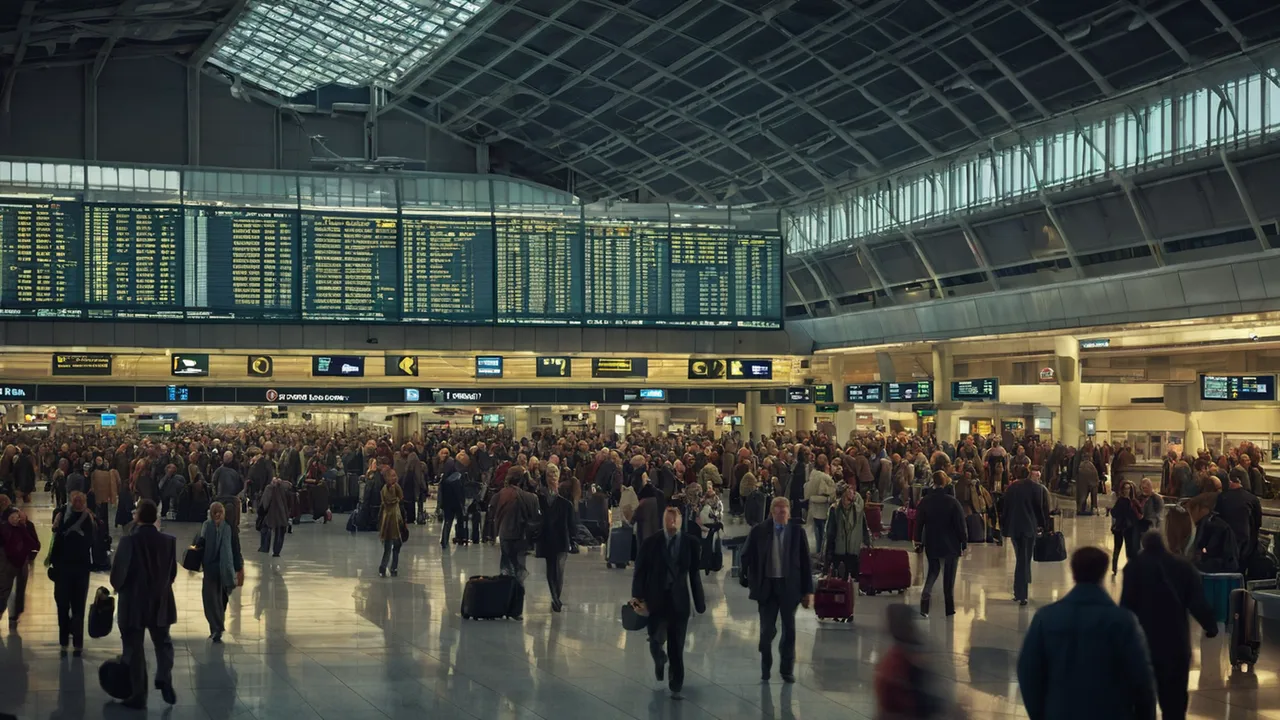
Hamad International Airport had one job in 2022, and it did it.
Every team. Every delegation. Every camera crew and kit bag and security detail. All of it poured through a single purpose-built gateway in Doha, and Qatar's organizers could at least say this: whatever broke, they knew where to fix it. One airport, one chokepoint, one solution.
That model dies with 2022.
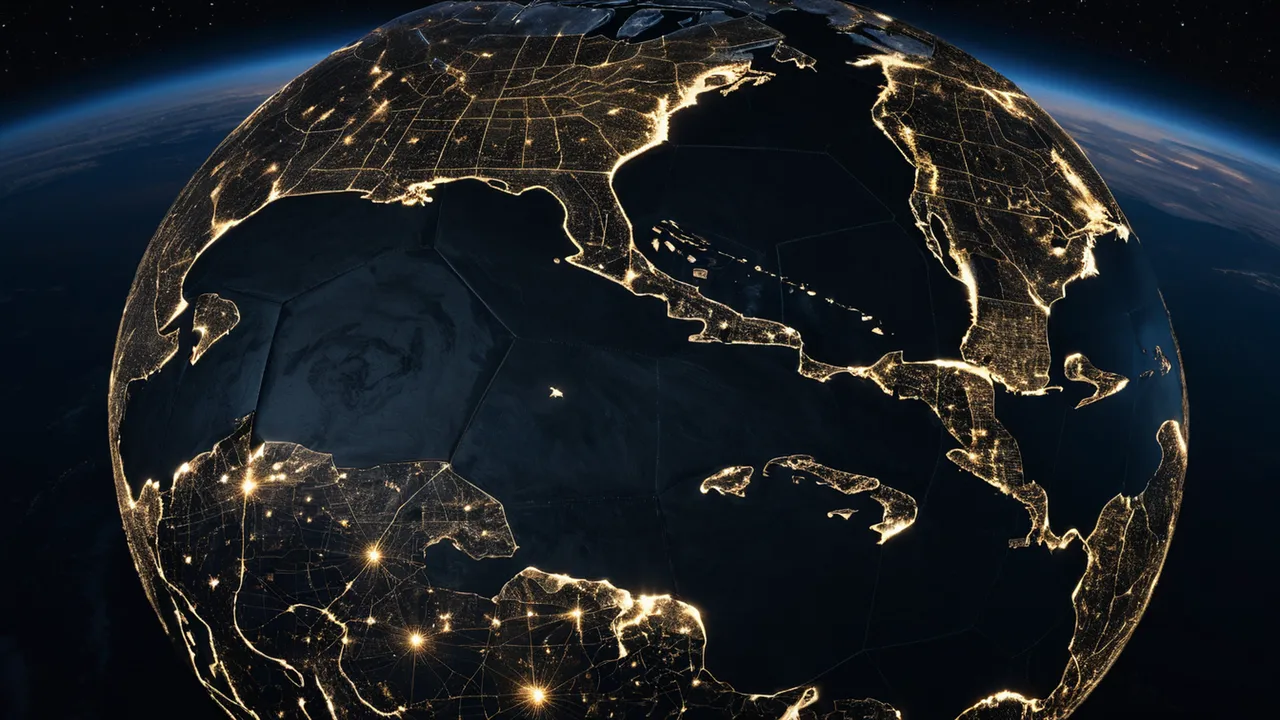
The 48-team, three-nation format that kicks off in 2026 across the USA, Canada, and Mexico doesn't just scale the logistical challenge — it changes its shape entirely. Dallas, Denver, Miami, New York: these aren't going to be final destinations for arriving squads so much as sorting facilities, the first in a chain of handoffs that stretches from an international arrivals gate to a training pitch somewhere in the American interior. Nobody has ever run a World Cup this way. The infrastructure isn't just bigger. It's structurally different from anything the sport has tried before.
Consider what actually worked in Qatar. Stadiums clustered within two hours of each other. Hotels five minutes from training grounds. Every convoy moving through a road network the hosts had spent years optimizing for exactly this. The compact geography wasn't a quirk — it was a load-bearing part of the tournament's design. Strip that away and you're left with a 48-team competition stretching from Vancouver down to Mexico City, where a squad landing at JFK still has the training base journey, the hotel, the pre-match travel, and eventually the stadium run all to coordinate independently. Hamad International never had to think past its own terminals.
The numbers behind 2026 are genuinely staggering. Eighty group-stage matches instead of 64. More simultaneous player movements, medical staff transfers, and security rotations than any previous tournament has generated. Hamad processed around 37 million passengers a year — no single American hub will carry the whole tournament burden, but the collective demand across US entry points requires handoff protocols that simply haven't been stress-tested at this intensity. What happens when three different regulatory frameworks, three different security protocols, and three different capacity thresholds have to function as one coherent system? That question doesn't have a historical answer yet.
The honest read of 2022 isn't that Qatar built something that should be replicated. It's that Qatar built something that could only work once, in one place, under one government's total control. The lesson it passes to 2026 is almost the opposite of what it demonstrated: distributed tournaments need distributed excellence, and distributed excellence is harder to achieve than a single architectural statement.
American airports will be the first thing the world's football community encounters in 2026, and unlike the gleaming arrival hall at Hamad, they won't be making an aesthetic impression. They'll be making an operational one — proving whether a network of infrastructure, spread across a continent and governed by multiple sovereign nations, can perform with the coherence that one desert hub delivered almost by design.
That's a promise 2026 has made to 48 nations. The airports are where it either gets kept or quietly falls apart.
gooolll