GOOOLLL
Articles
← All articles
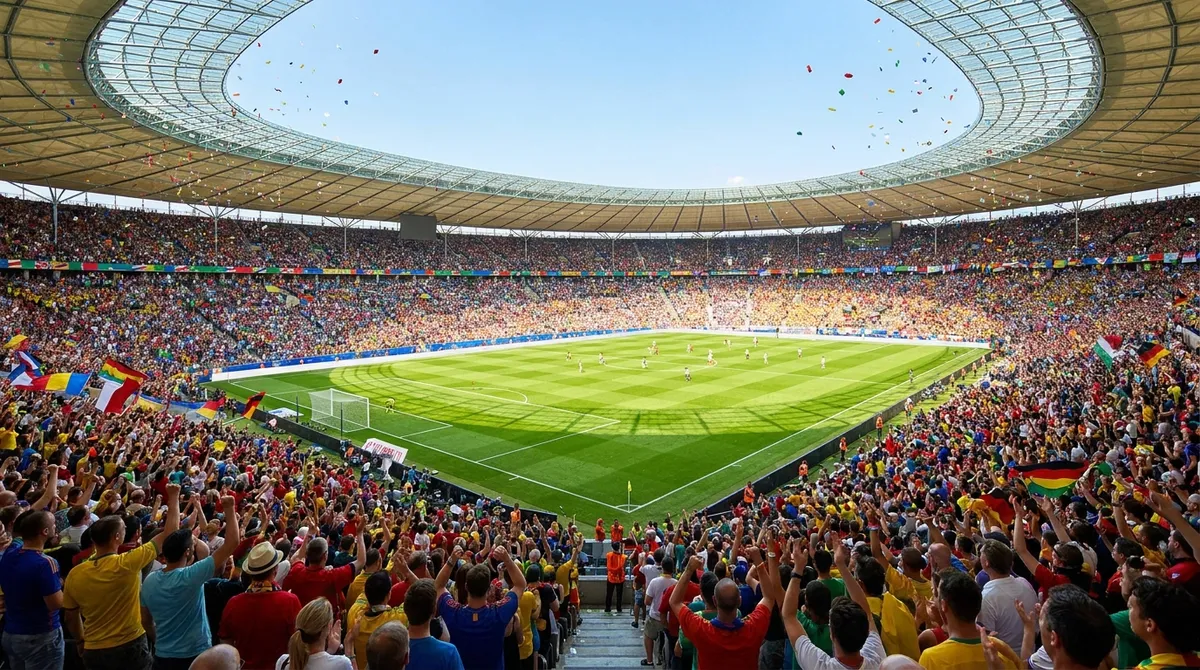
Spain vs Argentina (Final): How La Roja's Historic Defensive Stranglehold Sealed the Trophy
July 20, 2026
Gooolll Desk
The scoreline read 1-0. Ferran Torres, clinical, composed, extra time. That's what the record books will say. What the record books won't capture is the 120 minutes Argentina spent trying to find a door that simply wasn't there.
Spain conceded one goal across seven World Cup matches. One. At a 48-team tournament where the group stage alone can resemble a shooting gallery, Luis de la Fuente's side walked through the whole thing barely touched. Then came the final—Lionel Messi, 39 years old, eight goals in the tournament, a squad still radiating the warmth of that 2022 redemption arc—and it didn't matter. None of it pierced them.
Messi was the story in the end, but not in the way Argentina needed. When the final whistle went, he wept. His player rating finished at 3/10. Eight goals across the competition and he couldn't get near Spain when the trophy was on the table. That's not bad luck. That's a defensive system functioning at a level that borders on suffocating—pressing lines set with surgical precision, midfield transitions that cut off supply before Argentina's attackers even knew they wanted the ball.
Rodri won the Golden Ball and earned every fraction of it. He didn't run the game so much as strangle it, controlling tempo and possession in a way that denied Argentina the chaos they need to thrive. When you can't play fast, you can't play Messi's game. Simple as that. Spain understood this, prepared for it, and executed it across seven matches without once losing their nerve.
Argentina made three changes to their starting lineup for the final. Three attempts to find an angle Spain hadn't already accounted for. They found nothing. The 2022 champions had won that trophy through brilliance—through late drama and individual genius and Messi finally, finally getting his moment. Here they ran into a team that had spent the entire tournament making precisely that kind of brilliance impossible. Different problem. No solution.
By the time Torres scored, Argentina were already somewhere else mentally. Messi looked like a man grieving before the final whistle had even sounded. The goal was confirmation rather than conquest—Spain weren't going to let this slip. They never looked like letting anything slip.
Two World Cups for Spain, and this second one was earned the hard way: not through flair or a moment of individual genius that the highlight reels play forever, but through collective defensive excellence so thorough it reduced the greatest player on earth to a spectator. Unglamorous, maybe. Undeniable, absolutely.
gooolll