GOOOLLL
Articles
← All articles
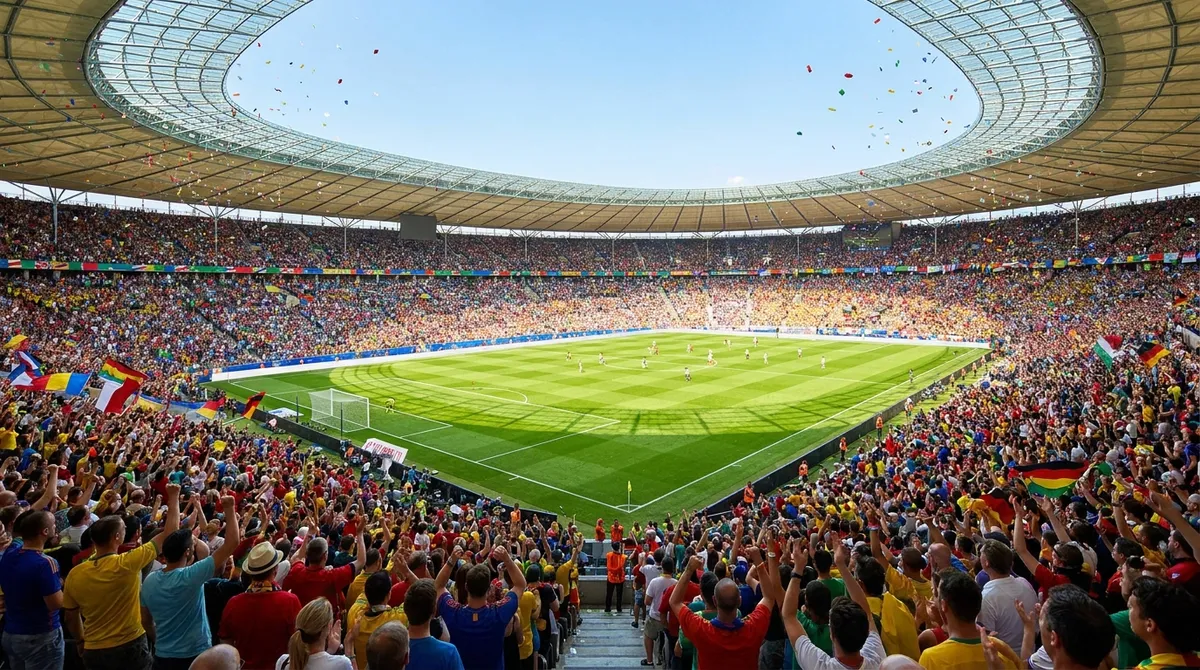
Mikel Oyarzabal carried Spain on his back. Champions shouldn't need that.
July 22, 2026
Gooolll Desk
Five goals. World Cup winner. Leading scorer. The numbers sit neatly in Mikel Oyarzabal's column and the story writes itself — humble winger from San Sebastián, world champion, job done.
Except the numbers also tell a less comfortable story, if you're willing to look at them properly.
Oyarzabal finished seventh in the tournament's scoring charts. Mbappé had ten. Messi had eight. But within his own squad, within Luis de la Fuente's celebrated setup, Oyarzabal stood essentially alone as a consistent attacking threat. Five goals in a tournament Spain won 1-0 in the final doesn't sound like a structural problem. It is.
Champions are supposed to win through depth. Through the kind of distributed attacking menace that makes opposition coaches lose sleep over who to stop. Spain's midfield remains exceptional — the circulation, the positional intelligence, the sheer control of tempo — but out wide, one winger was doing the heavy lifting. Every tight knockout match funnelled through the same outlet. Defences noticed. They narrowed. They waited for Oyarzabal. And Spain kept finding him anyway, which is either a testament to his quality or a testament to how good he is at existing in small spaces under enormous pressure. Probably both.
The final against Argentina is where the fragility becomes most visible in retrospect. Messi never quite found his rhythm. Argentina's midfield never properly unlocked the game. Had either of those things gone differently — had Argentina pressed higher, forced Spain's hand earlier, given their own attackers more space to work — the weight sitting on Oyarzabal's shoulders might have become impossible. The match stayed goalless long enough that the question lingered in the air: what does Spain do if he doesn't score?
He scored. So we don't have to answer it. But we should.
De la Fuente got the result and deserves full credit for it. Spain are world champions and no asterisk belongs anywhere near that sentence. But winning a tournament with your attack running almost exclusively through a single player — a winger who finished seventh overall, behind multiple forwards from eliminated nations — is not the same as solving the problem of how to consistently break down elite defensive structures. It's finding one exceptional solution to a problem that demands multiple answers.
Oyarzabal was immaculate. Clinical, intelligent, composed on the biggest stages. The goals were real. The tournament was real. But so is this: Spain won in spite of a structural imbalance that could have unravelled them, not because they had found some deep tactical equilibrium. One injury, one off night, one goalkeeper in the form of his life, and the story ends differently.
Glory tends to swallow these things whole. The trophy is lifted, the parade happens, and the question of how close it really was gets buried under ticker tape. Spain won. Oyarzabal was magnificent. And the next manager who faces them — if they carry the same dependency into whatever comes next — will spend a long time working out exactly how to make that one winger's life very, very difficult.
gooolll