GOOOLLL
Articles
← All articles
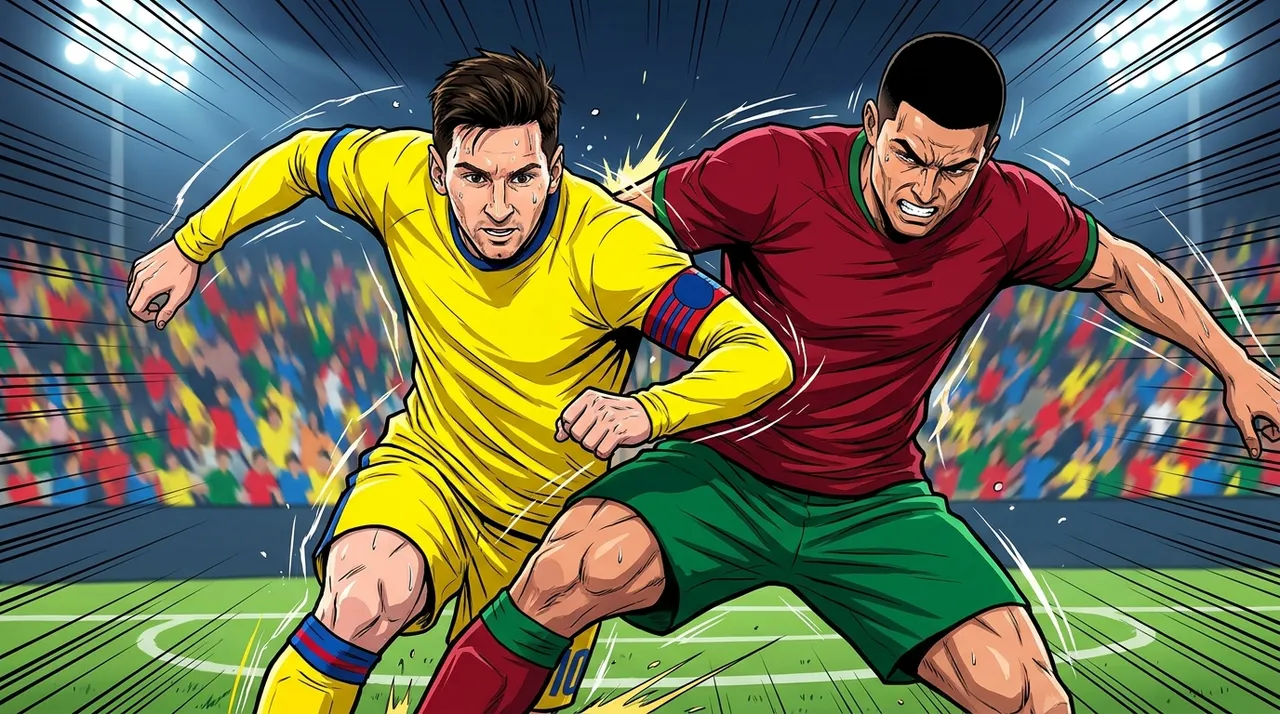
Colombia's Stalemate with Portugal Reveals the Fatal Flaw: Possession Without Purpose
June 29, 2026
Gooolll Desk
Some draws feel like victories. This one reads like an obituary.
Colombia's 0-0 stalemate with Portugal on June 29 wasn't a disciplined point earned on the road — it was an exposure. Not of the defending, which held. But of everything behind it: the absence of ideas, the lack of anyone capable of actually hurting a side that, for stretches, looked perfectly comfortable letting Colombia have the ball and go nowhere with it.
Holding Portugal scoreless sounds respectable until you look at the group. Uzbekistan have already scored three goals in this tournament. Three. That number should be ringing alarm bells in the Colombia camp, because it means the team they assumed was merely making up the numbers is out here playing with genuine attacking intent. Colombia, meanwhile, just confirmed that their plan against one of Europe's most recognizable footballing nations was: don't lose. They succeeded. And it might still end them.
The maths are punishing. A draw here, a scrambled result against Uzbekistan, and Colombia are sweating on goal difference, head-to-head tiebreakers — the kind of coin-flip survival that tournament football eventually swallows whole. Portugal left frustrated and unfulfilled, which looks good on the highlights package but tells you nothing useful. You don't need to frustrate Portugal. You need to beat them. Colombia did neither, and they burned their clearest shot at three points in the process.
This isn't a one-off tactical misjudgment. It's structural. The 2026 World Cup format — 48 teams across 16 three-team groups — is built to reward the bold. Goals matter. Winning margins matter. Clinical finishing matters. Colombia arrived with a defensive shape and very little else, and when they faced a Portugal side that can be troubled by vertical pressing and pace in behind, the answer was to sit, compress, and wait for a counter that kept threatening to arrive and never did.

The rest of the tournament is not waiting for Colombia to find themselves. Messi is averaging a goal per game for Argentina. Vinicius Junior is tormenting defenses for Brazil. Mbappé's France are scoring in bunches. This is what the elite look like right now: purposeful, direct, dangerous. Colombia, against a team they should have viewed as an opportunity, didn't generate a single moment that genuinely threatened to change the scoreline. Not one passage of play that made you think — *there it is, that's the goal*.
Portugal will be fine. They have the depth and the individual quality to dismantle Uzbekistan and advance regardless. But Colombia have now placed themselves in the most uncomfortable position in group-stage football: needing something to happen rather than making something happen. Defensive solidity built them a floor. It didn't build them a ceiling.
That 0-0 was tactical competence dressed up as a result. What it actually was — quietly, undeniably — was the moment Colombia's World Cup shifted from a campaign about qualifying to a campaign about not going home early.
Those are very different things.
gooolll