GOOOLLL
Articles
← All articles
Canada's Silent Exit: Why Co-hosting the 2026 World Cup Became an Invisible Penalty
July 4, 2026
Gooolll Desk
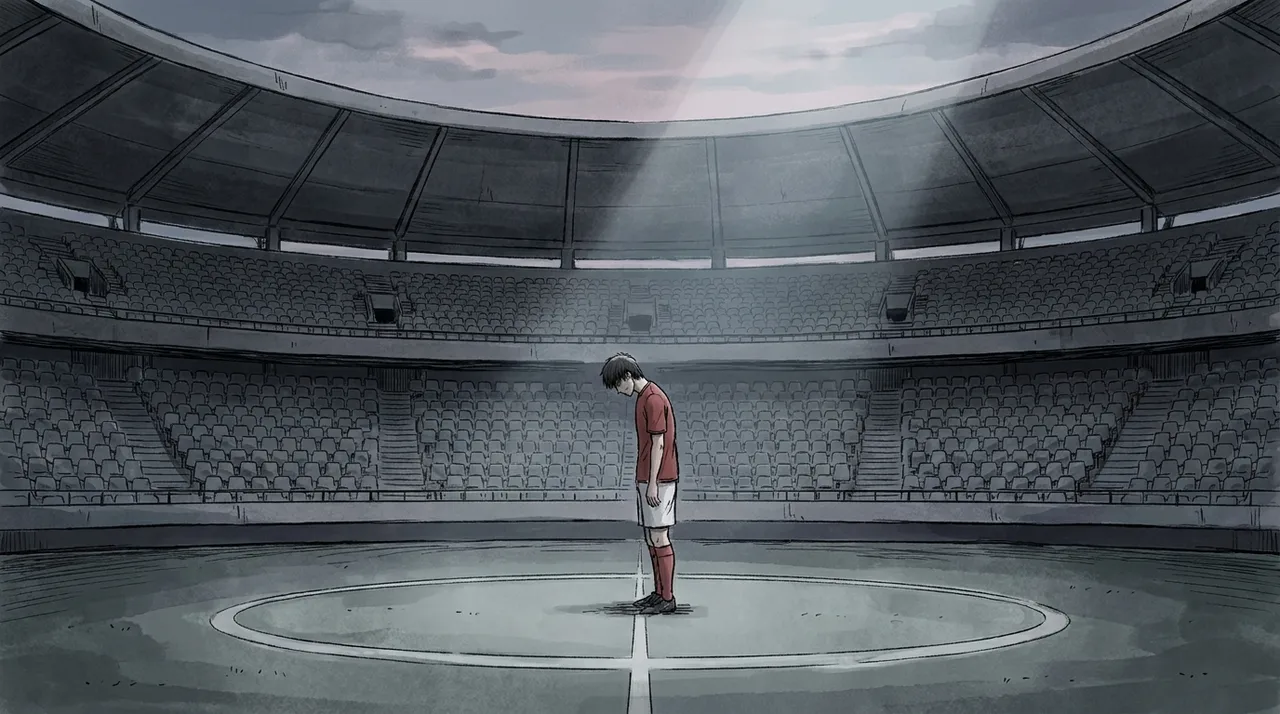
There is no sound quite like a stadium going quiet when the dream dies. Not booing, not groaning — just a hollow, collective exhale. That's roughly what Canada's 2026 World Cup group stage amounted to: zero points across three matches, played on home soil, in a tournament they co-host. The math is numbing. The implications cut deeper.
For as long as anyone can remember, hosting a World Cup has meant something. Real, measurable something. Crowds push teams through moments they'd otherwise collapse in. Familiar climates, short travel, the deafening weight of national expectation — it compounds, game by game, until a host nation that might otherwise be making up the numbers finds itself somehow alive in the quarterfinals. France in '98. South Korea in 2002. These weren't flukes. They were home advantage doing exactly what home advantage does.
The 2026 edition was supposed to be different, in all the best ways. Forty-eight teams. Three nations. A continental celebration. What nobody said loudly enough beforehand is that stretching a tournament across the United States, Mexico, and Canada doesn't just expand the competition — it fractures the very thing that makes hosting matter.
Mexico's group-stage numbers are the starkest counter-argument Canada could have asked for, and didn't want. Nine points. A goal differential of plus-six. Dominant from the first whistle. Mexico played in Mexico, in their stadiums, in front of their people. The traditional hosting premium remained entirely intact within their national footprint. South Africa picked up four points in the same group. Korea Republic scraped three. Canada got none.

That disparity isn't random bad luck or a talent gap you can explain away. It's structural. Canada played "at home" in the loosest possible sense — fixtures scattered across provinces, opposition scheduling that pulled teams between American and Mexican venues, and stadium atmospheres where the word "home" sometimes felt like a technicality. When your co-hosts are absorbing the tournament's logistical gravity and its concentrated crowd energy, what exactly are you left with? The flag on the badge. The passport at the border. Not much else.
Traditional host nations build rhythm through repetition. Same training facilities, same short hops between cities, same fans who've been waiting four years for this specific fortnight. Canada got the opposite: a dispersed, multi-climate, tri-regulatory tournament structure that stripped away every psychological advantage hosting was ever supposed to confer. Half the infrastructure belongs to someone else. Half the roaring crowds are cheering for the other side. The fortress feeling — the thing that made group stages genuinely dangerous for visiting teams — simply doesn't materialise when the fortress has three front doors and none of them are yours alone.
The 48-team format sold itself as democratisation. More nations, more stories, more of the world included in football's biggest moment. There's genuine merit in that ambition. But nobody stress-tested what it would mean for a co-host to absorb the ceremonial prestige of the tournament while losing the competitive substance of it. Canada got the opening ceremony proximity and the infrastructure burden. Mexico got the points.
As the knockout rounds take shape and Canadian broadcasters pivot to rooting for whichever CONCACAF team still has a pulse, there's an uncomfortable question sitting underneath all the post-mortems about squad depth and tactical setup: did Canada ever really have a fighting chance, or did the format make the result probable before a ball was kicked? Co-hosting, it turns out, is a disadvantage wearing an invitation.
gooolll