GOOOLLL
Articles
← All articles
Brazil Abandons Gegenpressing: How Tite's Tactical Pivot Changes the Tournament Narrative
June 30, 2026
Gooolll Desk
The scoreline reads 2-1, Brazil. Fine. Routine, even. But watch the shape, watch where the lines hold, and something more interesting emerges.
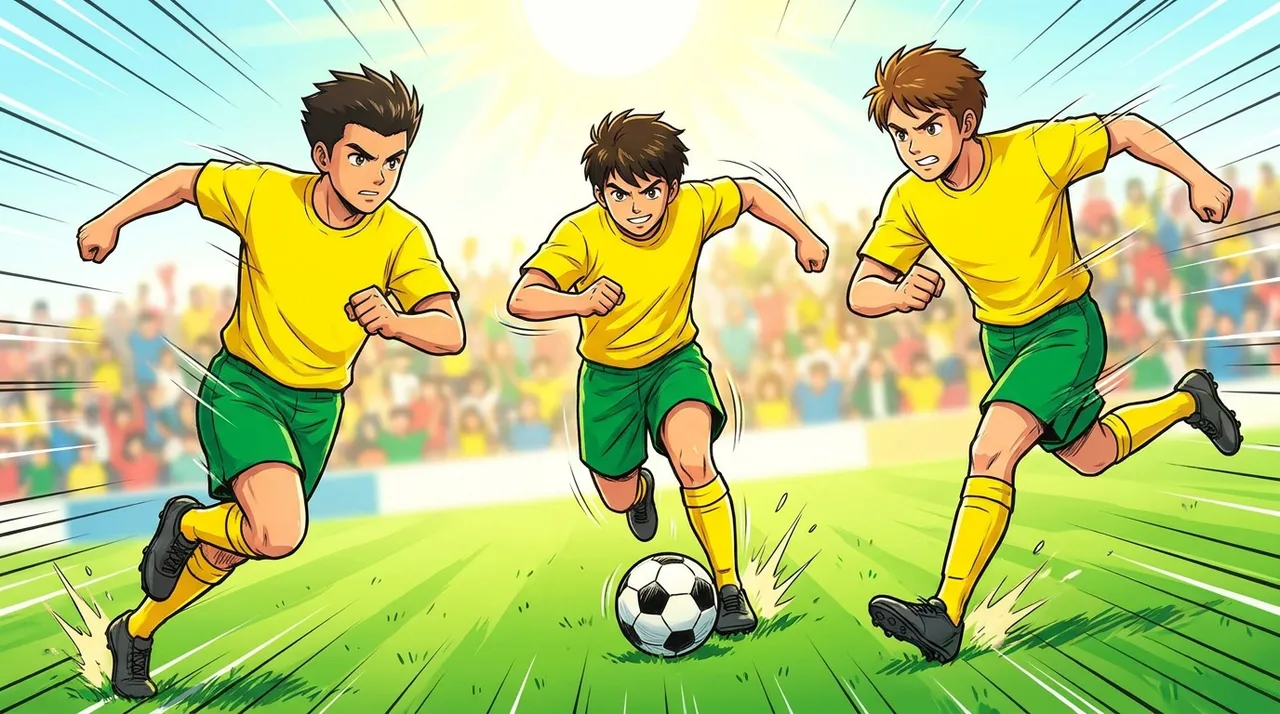
Tite built his 2026 Brazil on aggression — the kind of vertically-oriented, high-tempo pressing philosophy borrowed from elite European club football. Force turnovers in the attacking third, suffocate opponents before they can breathe, let Vinicius Junior (four tournament goals, joint second in the Golden Boot race) run at frightened defenders. It worked. Early group games validated the whole thing.
Then Japan happened.
The Problem With Chasing
Japan aren't naive. They're built specifically to punish teams that press without discipline — a half-press system that operates in that uncomfortable middle ground between retreat and aggression. Quick one-touch combinations, technical midfielders who thrive in tight spaces, and the capacity to accelerate through broken defensive lines with alarming speed. Brazil's usual intensity, deployed against this kind of opponent, wasn't a weapon. It was an invitation.
One mistimed press. One triggerman caught in the wrong position. Suddenly Japan's midfield has room to run and Brazil is scrambling backwards.
Tite saw it. His response was, on the surface, counterintuitive: *stop chasing*. Compress vertically, protect the penalty area, make Japan work through elaborate passing sequences from distance rather than find the pocket passes that ignite their best football. Patience over aggression. Geometry over intensity.
It isn't what anyone expected from this Brazil side. That's rather the point.
What the Numbers Don't Capture
Brazil top Group C — seven points, plus-six goal difference, level on points with Morocco. Vinicius and Matheus Cunha (three goals) give them a cutting edge that can turn compact, organised defence into devastating counter-attack at the flick of a switch. That's the real logic behind the tactical reversal. Defend deep, absorb, then release those two into space.
Defending on the halfway line wastes them. Sitting in a disciplined block unleashes them.
Japan accumulated five points across their three group games, which tells you something about their quality and something about their limitations. They controlled possession against Brazil. They created pressure. What they couldn't do was breach a team that refused to be drawn into the chaos they manufacture so well. The 2-1 defeat stings because the scoreline doesn't quite reflect how much of the ball Japan had — and yet it reflects perfectly how little they did with it when it mattered.
The Wider Warning
Teams still committed to relentless high-pressing — Germany, Switzerland, others — will be studying this match over the coming days. They should. The 2026 tournament's expansion to 48 nations has narrowed the margins between elite sides and well-organised middle-tier opponents. Tactical flexibility now counts for as much as raw intensity. Brazil's willingness to shed their own identity, even temporarily, even against the grain of everything Tite preached coming in, is a statement of intent.
This isn't a team locked into one way of playing. It's a team that presses when pressing works and defends when defending wins games. With knockout football arriving, that versatility matters enormously — and Tite, whatever doubts surrounded his selections earlier in the tournament, has just demonstrated he knows exactly which battles require which weapon.
Brazil look dangerous. More dangerous, perhaps, for being harder to read.
gooolll