GOOOLLL
Articles
← All articles
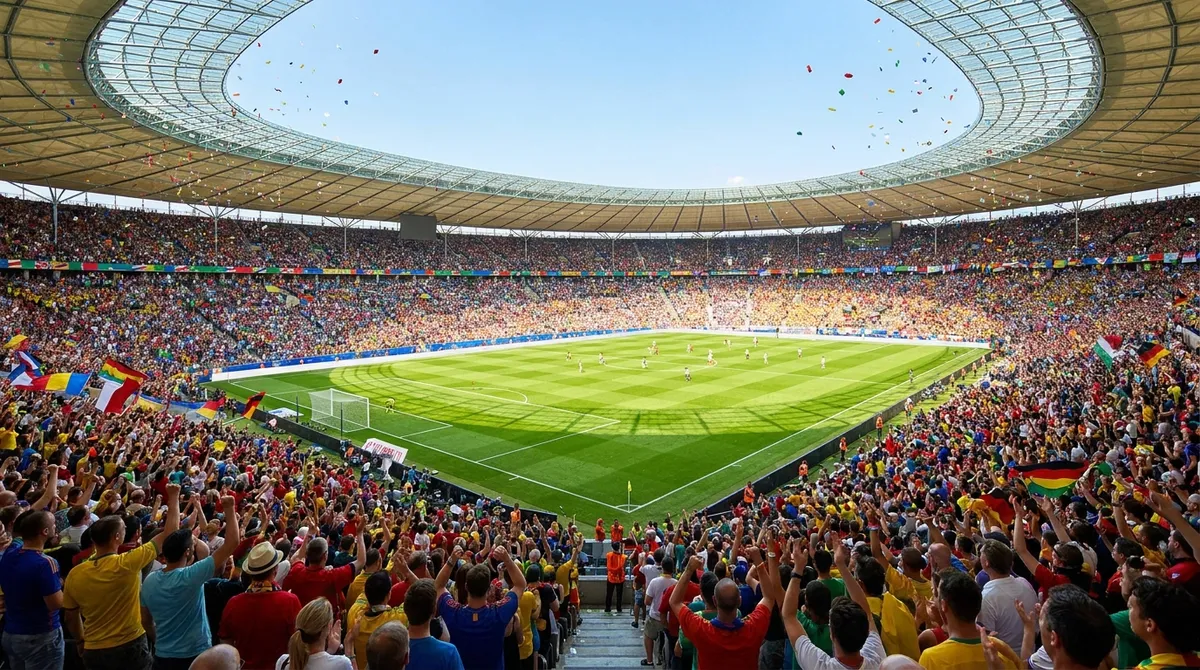
Argentina 2-1: Messi's farewell runs deeper than goals—it's about a team that refused to break
July 18, 2026
Gooolll Desk
The comfortable lie about Lionel Messi is that he wins matches by himself. Pull that thread long enough and the whole thing unravels — and this semifinal, a 2-1 win that was never as comfortable as the scoreline pretends, spent ninety-odd minutes doing exactly that.
Messi got his goals in this tournament. Eight of them, which puts him level with Mbappé at the top of the scoring charts and guarantees the kind of headlines that write themselves. But when the opponent came hunting a way back into this match — pressing hard, finding that consolation goal, narrowing the margin to something genuinely uncomfortable — Argentina did not look to their 37-year-old talisman to pull off something miraculous. They dug in. They held shape. They managed the ball with the quiet, deliberate efficiency of a team that knows exactly how close to the edge it's standing.
That is what this Argentina run has actually been about.
The opening stages had that familiar anxious quality — opponents testing early, probing, looking for the seam that has undone Argentine sides before. The midfield stayed compact when it needed to. The defensive line didn't panic. Chances, when they came, were taken cleanly rather than brilliantly. There was no thirty-yard screamer, no moment of genius to point at and say: *there, that's why they won*. They won because they were harder to break than the team standing opposite them.
Messi said it himself after the final whistle — that nothing was handed to them. It's the kind of statement that can sound like false modesty from someone of his stature. It wasn't. You could see it in the way the team defended those final minutes, every player bought into something larger than protecting an individual legacy.
The consolation goal the opponent scored is worth dwelling on. It is a reminder of how thin the margin was — this was not a statement performance, not a team announcing its dominance. It was a team surviving, and surviving together. The Jude Bellingham exchange on the pitch became a footnote precisely because neither man was operating on a clearly superior plane. Two teams, fighting. One edged it.
What Messi's farewell — if this genuinely is it — will be remembered for has nothing to do with his individual statistics, impressive as they are. It's the image of a backline holding firm in the dying minutes while the greatest player of his generation watched from midfield, trusting his teammates to finish the job. That doesn't happen without respect flowing in both directions. It doesn't happen without a team built around him rather than *for* him.
Eight goals is a story. A squad that refuses to surrender is the story.
gooolll